Living Here
Moving to Boca Raton: A Practical Guide to Neighborhoods, Costs and Life
By Boca Raton Search · Updated October 8, 2026
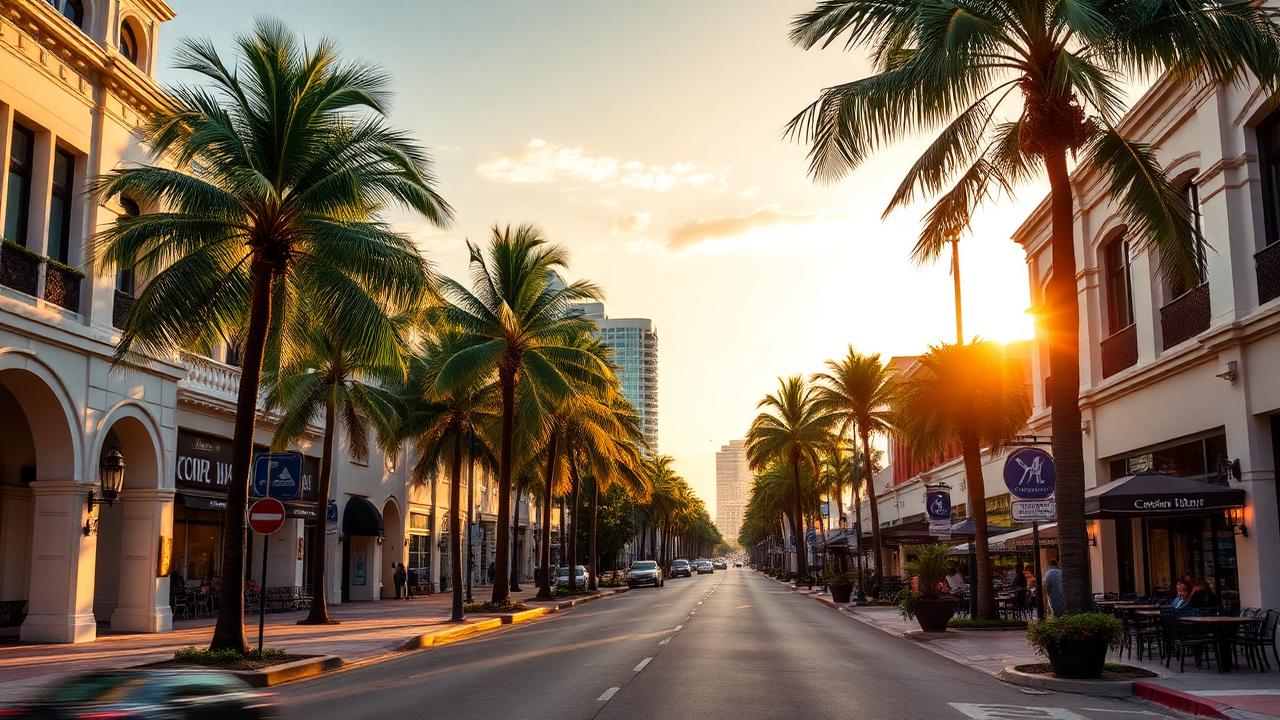
A clear-eyed look at what living in Boca is actually like — the neighborhoods, the costs, the weather and the trade-offs.
Boca Raton consistently ranks among Florida's most desirable places to live: safe, clean, well-planned, with good schools and beaches. It is also expensive and car-dependent. This guide covers what newcomers most often wish they had known.
East vs. west: the first decision
East of I-95 is older, closer to the beach and downtown, and generally pricier per square foot. Neighborhoods like Boca Square, Old Floresta (with its 1920s Mizner-era homes) and the waterfront communities of Royal Palm Yacht & Country Club range from charming to ultra-luxury.
West of I-95 — and especially west of Florida's Turnpike in unincorporated "West Boca" — is newer, more suburban and dominated by gated communities with HOAs, pools and golf. You get more house for the money and quieter streets, but beach trips become 25-minute drives.
See profiles of each area in our neighborhoods directory.
Cost of living
- Housing is the main expense. Condos are the entry point; single-family homes east of I-95 command premium prices.
- Insurance is a real budget line. Homeowners and flood insurance in South Florida have risen sharply; get quotes before you make an offer.
- HOA fees are common and can be substantial, especially in amenity-rich communities.
- No state income tax offsets some of this, which is a big reason many retirees and remote workers relocate.
Schools
Boca is served by the School District of Palm Beach County, and several Boca public schools are among the district's highest-rated. There are also well-regarded private schools. Florida Atlantic University (FAU) and Lynn University are both in the city.
Weather and the two seasons
Boca has two seasons:
- Dry season (November–April): Highs in the 70s, low humidity, almost perfect. This is also "season," when part-time residents ("snowbirds") arrive, traffic increases and restaurants fill up.
- Wet season (May–October): Highs around 90°F, high humidity and short daily afternoon storms. Quieter, cheaper, and the ocean is bathwater-warm.
Hurricanes
Hurricane season runs June 1 to November 30. Direct hits on Boca are relatively rare, but preparation is part of life: shutters or impact windows, a supply kit and knowing your evacuation zone (most zones are east of US-1). Newer homes built to post-2002 Florida code fare much better. Ask about roof age — it affects insurance.
Getting around
Boca is car-first. I-95 and Florida's Turnpike run north–south. Brightline (high-speed rail) has a Boca station downtown with service to Fort Lauderdale, Miami and West Palm Beach, and Tri-Rail commuter rail serves the region. Many residents commute to Fort Lauderdale or West Palm.
What residents love
- Beaches with strict development limits and no high-rise wall on the sand.
- Abundant parks — Boca has more than 40.
- A strong arts calendar: the Festival of the Arts BOCA, Boca Raton Museum of Art, and free concerts at Mizner Park Amphitheater.
- Low crime relative to surrounding metros.
What takes adjustment
- Seasonal traffic from January to April.
- Heat and humidity in summer.
- Strict city sign and landscaping codes (part of why Boca looks the way it does).
Check what's on this week in the events calendar to get a feel for local life.
Frequently asked questions
- Is Boca Raton a good place to live?
- Yes for most people who can afford it: it is safe, clean, has good schools, beaches and parks, and no state income tax. The trade-offs are high housing and insurance costs and car dependence.
- What is the difference between East and West Boca?
- East Boca is older, closer to the beach and downtown, and pricier per square foot. West Boca is newer and suburban with many gated HOA communities and more space for the money.
- Does Boca Raton get hurricanes?
- Hurricane season runs June to November. Direct hits are relatively uncommon, but residents prepare with shutters or impact windows and supply kits.